
Why Do People Apply Oil in the Navel? Benefits Explained in Simple Language
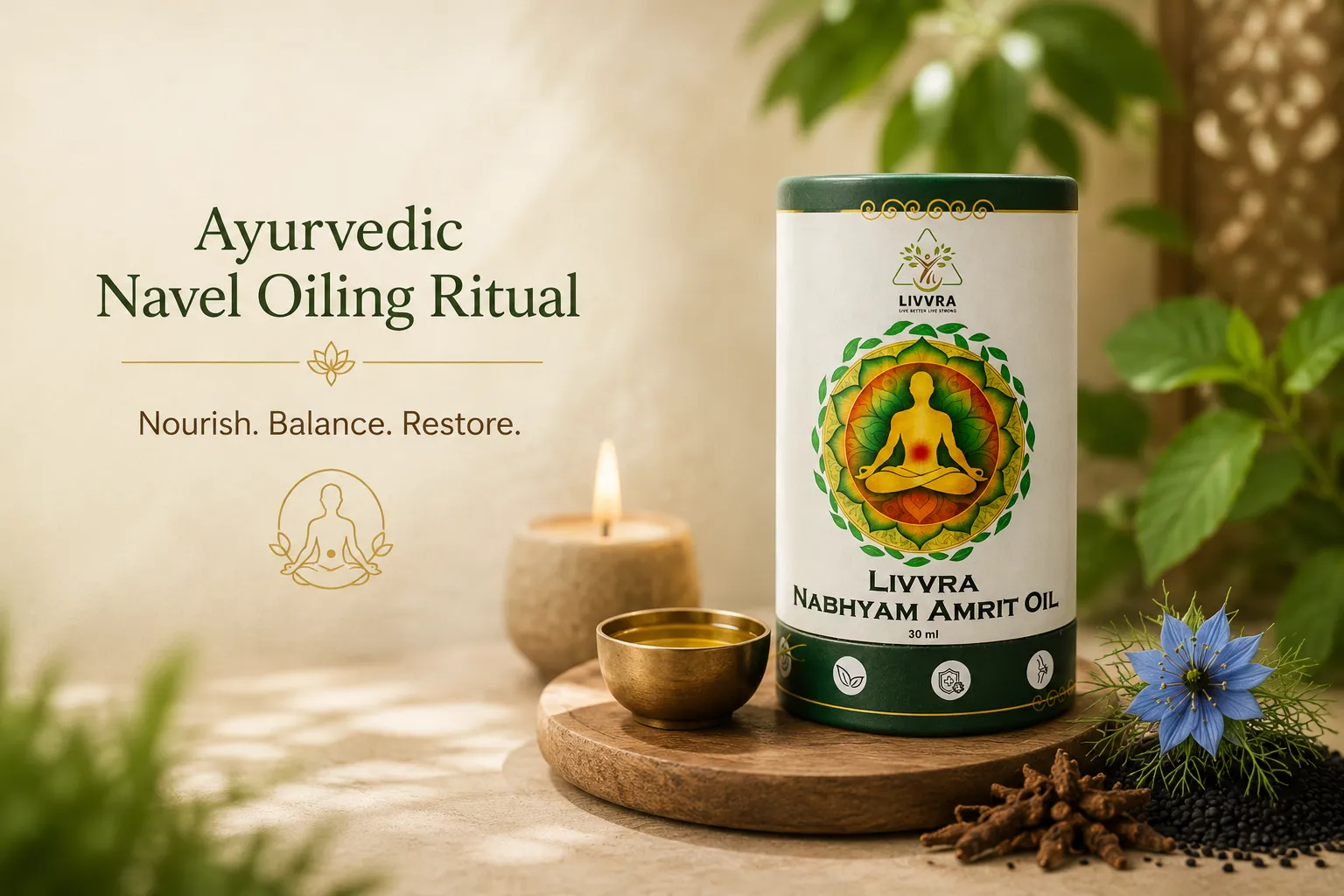
Traditional wellness rituals are becoming popular again as more people look for natural and simple self-care routines. One ancient Ayurvedic practice that has recently gained attention is applying oil in the navel, also known as belly button oiling or the Pechoti Method.
In Ayurveda, the navel is considered an important center connected to multiple energy pathways and nerve endings throughout the body. Applying herbal oil to this area is traditionally believed to support relaxation, digestion, and overall body balance.
Today, many people include Ayurvedic Navel Care Oil in their daily wellness rituals to create a calming and nourishing self-care routine at home.
What Is Navel Oiling in Ayurveda?
Navel oiling is a traditional Ayurvedic practice where herbal oil is applied directly into the belly button area.
According to Ayurvedic beliefs, the navel contains thousands of nerve endings connected to different parts of the body. This is why the belly button is considered an important point for wellness support and nourishment.
The process is simple:
Apply a few drops of oil into the navel
Allow it to absorb
Massage gently around the area
This practice is often done before bedtime for maximum relaxation.
Understanding the Pechoti Method
The Pechoti Method is an ancient Ayurvedic concept associated with navel therapy.
Traditionally, it is believed that applying herbal oils to the navel may support:
Digestive wellness
Body balance
Relaxation
Joint comfort
Skin nourishment
While modern scientific research on the Pechoti Method is still limited, Ayurvedic wellness traditions have used this practice for generations.
Why Are More People Using Ayurvedic Navel Care Oil Today?
Modern lifestyles often bring:
Stress
Poor sleep routines
Digestive discomfort
Long screen hours
Physical fatigue
Because of this, people are returning to simple wellness habits that fit naturally into their routines.
Using an Ayurvedic Navel Care Oil takes only a few minutes daily and can easily become part of a calming nighttime ritual.
What Makes Livvra Nabhyam Amrit Oil Unique?
Livvra Nabhyam Amrit Oil is a specially crafted Ayurvedic proprietary oil made using 10 potent herbal oils.
The formulation is designed specifically for navel application and supports holistic wellness routines through traditional Ayurvedic practices.
Key Highlights
✔ 10 natural herbal oils
✔ Inspired by the Pechoti Method
✔ External use Ayurvedic formulation
✔ GMP-certified manufacturing
✔ Easy daily wellness ritual
✔ Made in India
Powerful Herbal Oils Used in Nabhyam Amrit Oil
Till Oil (Sesame Oil) – Deep Nourishment
Sesame oil acts as the primary carrier oil and supports deep absorption while nourishing the skin naturally.
Sarso Oil (Mustard Oil) – Warming Support
Mustard oil is traditionally associated with improved circulation and warming comfort for muscles and joints.
Kapoor Oil (Camphor Oil) – Cooling & Comforting
Camphor oil is known in Ayurveda for its cooling and soothing properties.
Castor Oil – Digestive & Detox Support
Traditionally used to support digestive comfort and natural detoxification.
Neem Oil – Purification Support
Neem is widely recognized in Ayurvedic wellness practices for its cleansing and balancing properties.
Ajwain Oil – Digestive Wellness
Ajwain has traditionally been used to support digestion and reduce bloating or gas discomfort.
👉 People focusing on metabolic wellness often also explore
Ayurvedic digestive and metabolic support routines alongside holistic self-care practices.
Common Benefits Associated with Navel Oiling
1. Supports Digestive Wellness
Ayurvedic ingredients like Ajwain, Clove, and Castor oil are traditionally used to support healthy digestion and gut comfort.
People often include navel oiling in routines focused on:
Reducing bloating
Supporting digestion
Maintaining comfort after meals
2. Promotes Relaxation & Better Sleep
The nighttime ritual of applying oil and massaging around the navel area may create a calming experience before bed.
This is especially helpful for:
Working professionals
Students
Individuals with stressful routines
3. Supports Joint & Muscle Comfort
Mustard oil, Camphor oil, and Flaxseed oil are traditionally used for warming and soothing support.
People with physically demanding lifestyles often include oiling rituals as part of recovery-focused self-care habits.
4. Encourages Holistic Body Balance
Ayurveda focuses on balancing the three doshas:
Vata
Pitta
Kapha
Herbal oiling rituals are traditionally associated with supporting this balance naturally.
Real-World Use Cases
Busy Professionals
Long sitting hours and stress may lead to fatigue and digestive discomfort. A simple nightly oiling routine may help create a sense of relaxation.
Students
Irregular schedules and poor sleep habits often affect overall wellness. Simple self-care rituals encourage better routine consistency.
Wellness-Focused Individuals
People seeking natural wellness practices often prefer traditional Ayurvedic habits that are easy to maintain daily.
How to Use Livvra Nabhyam Amrit Oil
Step 1: Clean the Navel Area
Use warm water and gently pat dry.
Step 2: Apply 4–5 Drops
Place the oil directly into the belly button.
Step 3: Allow Absorption
Leave for around 15 minutes.
Step 4: Massage Gently
Massage around the navel area in circular motions for 2–3 minutes.
Best Time to Apply Ayurvedic Navel Care Oil
For best results, many people prefer applying it:
Before bedtime
Early morning on an empty stomach
After a warm bath
Consistency is considered important in Ayurvedic wellness practices.
Expected Wellness Timeline
3–7 Days
Many people report feeling more relaxed and comfortable.
1–2 Weeks
Daily wellness routines may begin feeling more balanced.
3–4 Weeks
Consistent self-care habits may support long-term wellness routines.
Wellness Is Also Connected to Nutrition
Ayurveda emphasizes balancing external care with internal nourishment.
Healthy nutrition, hydration, and protein intake all contribute to overall wellness and energy balance.
👉 Many people combine Ayurvedic wellness rituals with
clean nutritional support products as part of a complete healthy lifestyle routine.
Who Should Consider Ayurvedic Navel Oiling?
This ritual may be suitable for:
Adults seeking natural wellness routines
People with stressful schedules
Individuals interested in Ayurvedic self-care
Wellness-focused consumers preferring traditional practices
Important Precautions
For external use only
Avoid use on open wounds
Consult a doctor if pregnant
Discontinue if irritation occurs
Ayurvedic & Scientific Perspective
Ayurvedic traditions have long used herbal oils as part of holistic wellness rituals.
Modern wellness research also explores the connection between massage, relaxation, stress management, and overall wellbeing.
Authoritative references:
Ministry of AYUSH – Ayurvedic wellness practices
National Center for Biotechnology Information (NCBI) – Herbal wellness studies
Journal of Ayurveda and Integrative Medicine – Traditional Ayurvedic therapies
FAQs (People Also Ask)
1. Why do people apply oil in the navel?
In Ayurveda, navel oiling is traditionally associated with digestion, relaxation, and holistic wellness support.
2. What is the Pechoti Method?
The Pechoti Method is an Ayurvedic concept where herbal oils are applied to the belly button area as part of self-care rituals.
3. How often can I use Ayurvedic Navel Care Oil?
Many people use it once daily, especially before bedtime.
4. Can navel oiling help with digestion?
Traditional Ayurvedic ingredients like Ajwain and Castor oil are commonly associated with digestive comfort.
5. Is Livvra Nabhyam Amrit Oil safe for daily use?
It is designed for regular external use as part of a wellness routine. Always follow usage instructions carefully.
Key Takeaways / Summary
Navel oiling is a traditional Ayurvedic wellness practice
Livvra Nabhyam Amrit Oil contains 10 herbal oils for holistic self-care
The Pechoti Method is associated with digestion, relaxation, and balance
Consistent wellness habits and balanced nutrition support long-term wellbeing